
Feathers poking through your pillow can turn a cozy night’s sleep into a prickly annoyance. You are not alone—many feather pillow users struggle with sharp quills breaking through fabric, causing discomfort and mess. This issue usually stems from low thread-count covers, worn seams, or repeated compression over time. The good news? With the right care, materials, and preventive steps, you can stop feathers from escaping and extend your pillow’s life. In this guide, you will learn how to prevent leakage, repair small tears, choose better pillows, and know when it is time to replace them so you can sleep soundly without plucking stray feathers from your face.
Choose a Down-Proof Pillow Cover
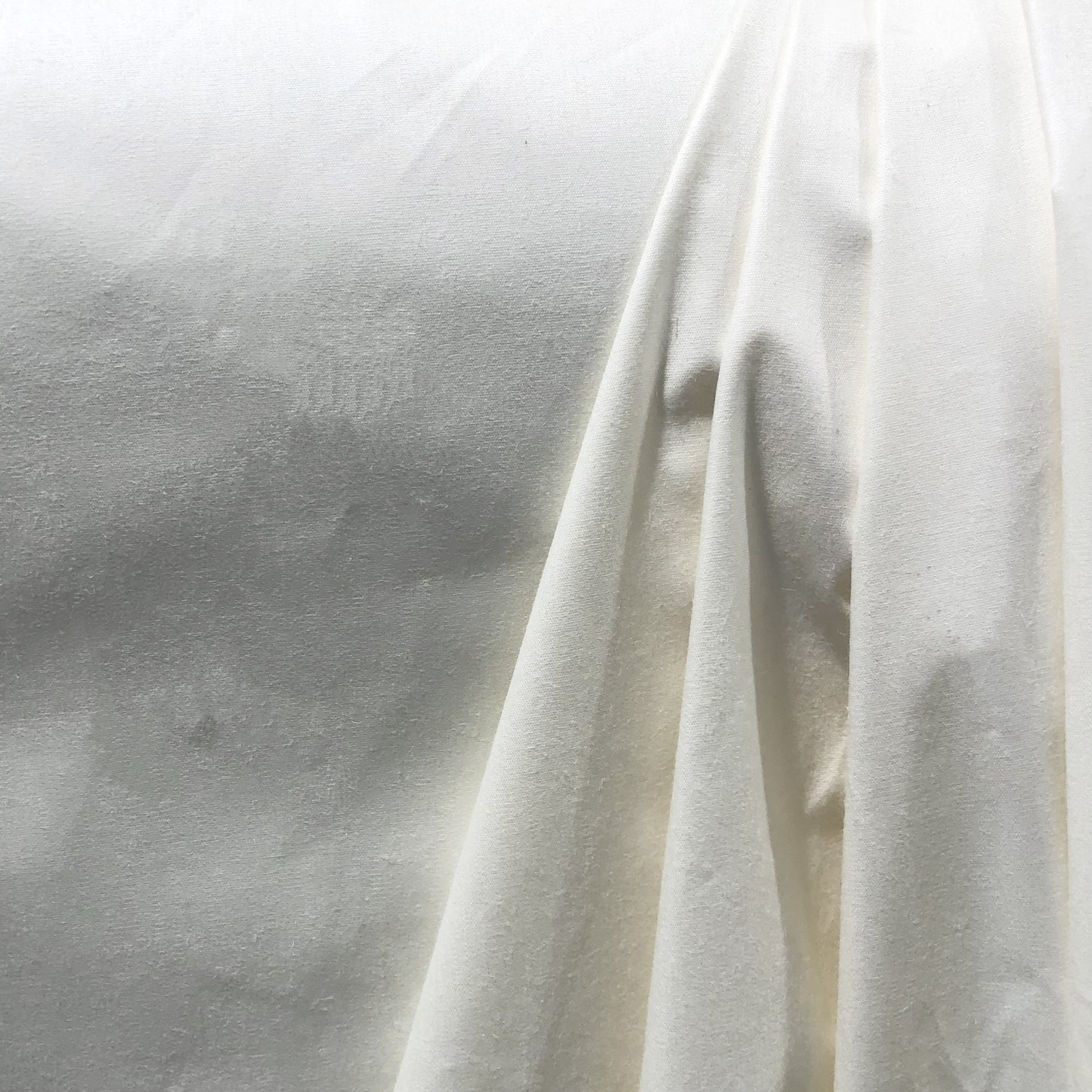
A tightly woven fabric is your first defense against feather escape. The type of cover you use determines whether quills stay inside or poke through during the night.
Look for High Thread Count (300+)
Opt for pillow covers with a thread count of 300 or higher, especially those labeled “down-proof.” These fabrics are specifically designed to trap feathers and down while remaining breathable. High-thread-count cotton, sateen, or microfiber are ideal choices. Avoid linen or low-count cotton because they are too loose and let quills slip through easily.
Use Double-Layered or Box-Stitch Design
Pillows with double-layered shells or box-stitch construction offer superior containment. Box stitching creates individual fabric pockets that keep fill evenly distributed and reduce pressure on the outer layer. This design prevents clumping and minimizes stress points where feathers might break through. When shopping, prioritize pillows that combine high thread count with reinforced construction for long-term durability.
Use a Zippered Pillow Protector
A zippered pillow protector is one of the most effective ways to contain feathers. Unlike slip-on cases, zippered protectors fully encase the pillow, eliminating open edges where quills can sneak out.
Seal All Escape Points
Choose a protector made of down-proof microfiber or tightly woven cotton with a high thread count. This layer acts as a barrier not only against feather leakage but also dust mites, sweat, and allergens. The zipper closure ensures no gaps exist for feathers to escape.
Combine Protector with Decorative Case
For maximum protection, use a layered approach. Start with a zippered down-proof protector, then add a high-thread-count decorative pillowcase on top. This dual-layer system keeps feathers contained while maintaining comfort and style. It also makes cleaning easier—just wash the outer case regularly while keeping the protector in place to shield the pillow.
Inspect and Reinforce Seams Regularly
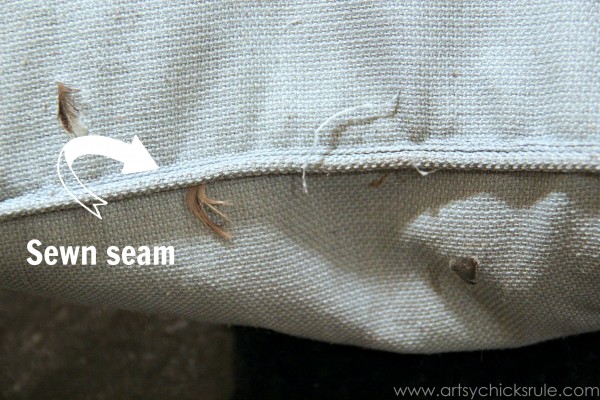
Most feather leaks start at the seams, where stitching loosens from nightly compression. Catching these issues early prevents small problems from becoming major messes.
Check for Weak Stitches Every 1–2 Weeks
Inspect your pillow every time you change the pillowcase. Look for frayed threads, small holes, or puffiness along the edges. Early detection lets you fix minor issues before they become major leaks that spew feathers across your bed.
Strengthen Seams with Double Stitching
If you spot weak areas, reinforce them immediately. Hand-sew a second row of stitches parallel to the original seam. Use a zigzag machine stitch for added flexibility and strength. Apply seam reinforcing tape underneath for extra support. For decorative or couch pillows, the same rules apply—regular seam checks prevent sudden bursts of feathers.
Repair Leaks Instead of Replacing
Do not toss a pillow at the first sign of leakage. Small pinholes and minor tears can often be fixed with simple repairs, extending the life of your pillow significantly.
Patch Small Holes with Fabric Glue or Patches
For tiny holes, apply a dab of fabric glue to seal the puncture. For larger rips, cut a patch from an old sheet or high-thread-count fabric, place it over the hole, and sew it on with tight, even stitches. Always push protruding quills back in rather than pulling them out, as this widens the hole and invites more leakage.
Replace the Outer Shell If Worn
If the original cover is thin or full of micro-tears, replace it entirely. You can DIY a new cover using down-proof fabric and double-stitched seams, or buy a pre-made replacement cover with box-stitch design and zipper closure. A fresh, tightly woven shell can breathe new life into an otherwise functional pillow.
Fluff and Rotate to Prevent Wear
Daily maintenance keeps feathers evenly spread and reduces pressure on any one area, preventing weak spots from forming over time.
Fluff Daily to Redistribute Fill
Squeeze and shake the pillow each morning to restore loft and prevent clumping. This simple habit minimizes stress on the fabric and helps avoid weak spots where quills can poke through. Daily fluffing also keeps the fill distributed evenly for consistent comfort throughout the night.
Rotate Weekly for Even Usage
Sleeping in the same spot every night wears down one section faster. Rotate your pillow 180 degrees weekly to balance wear across the entire surface. For added protection, flip it over if it has two usable sides. This extends lifespan and reduces localized thinning that leads to feather escape.
Avoid Damaging Habits
How you handle your pillow between sleeps matters just as much as how you use it. Certain common habits silently destroy fabric integrity.
Do Not Vacuum-Pack for Storage
Storing pillows in vacuum-sealed bags might save space, but it forces quills through fabric and damages feather structure. Instead, store pillows in a loose cotton bag or clean pillowcase in a cool, dry place. Let them breathe to maintain integrity.
Limit Physical Stress
Avoid using feather pillows for activities like pillow fights, travel neck support, or wedging into tight spaces like car seats. Excessive handling accelerates fabric wear and seam failure. Reserve your feather pillows for sleep only to maximize their lifespan.
Wash Smart to Preserve Fabric
Frequent machine washing weakens fabric and loosens stitching, creating pathways for feathers to escape. Smart cleaning habits preserve the pillow’s structure for years.
Spot Clean Instead of Machine Washing
Spot clean stains immediately with a damp cloth and mild detergent. This targeted approach preserves the pillow’s structure while keeping it hygienic. Machine washing should be a last resort, not a regular routine.
Wash Only When Necessary
If a full wash is unavoidable, use a gentle cycle with mild, non-bleach detergent. Add tennis balls to the dryer to help fluff feathers. Air dry or use low heat because high heat can degrade fabric over time. Always follow the manufacturer is care instructions to avoid accidental damage.
Know When to Replace Your Pillow
Even with excellent care, feather pillows do not last forever. Knowing when to replace them saves you from persistent discomfort and mess.
Signs It Is Time for a New Pillow
Replace your pillow if you notice flat or lumpy shape that does not bounce back, neck or shoulder pain due to lack of support, persistent feather leakage despite repairs, unpleasant odors that remain after cleaning, thin see-through fabric or large tears, or allergy flare-ups from trapped dust mites. Most experts recommend replacing pillows every 1–2 years for hygiene and comfort.
Consider Low-Maintenance Alternatives
If feather leakage is a constant battle, switching to a low-maintenance alternative eliminates the problem entirely.
Try Down Alternative or Synthetic Pillows
Down alternative pillows are made from hypoallergenic synthetic fibers that mimic the softness of down. Memory foam pillows offer structured support and never shed. Latex pillows are naturally resistant to dust mites and mold, with excellent durability. These options eliminate feather escape entirely and require less upkeep.
Compare Feather Types: Goose vs. Duck

| Factor | Goose Feather/Down | Duck Feather/Down |
|---|---|---|
| Leakage Risk | Lower | Higher |
| Softness | Softer, more luxurious | Slightly less refined |
| Durability | Longer-lasting | May degrade faster |
| Price | $80–$200 | $35–$150 |
Goose down pillows are less prone to leakage and offer better longevity, but at a higher cost.
Frequently Asked Questions About Feathers Poking Through Pillows
Why do feathers poke through my pillow even though it is new?
New pillows can leak if they have low thread-count covers or single-stitched seams. Even brand-new pillows benefit from using a zippered down-proof protector. Check the construction quality before purchasing, and look for box-stitch design and high thread counts.
Can I fix a feather pillow that keeps leaking?
Yes, most minor leaks can be repaired. Patch small holes with fabric glue or fabric patches. Reinforce weak seams with double stitching. If the cover is worn, replace it entirely with a down-proof shell. However, if the pillow is flat, smelly, or constantly shedding despite repairs, replacement is the better option.
How often should I replace my feather pillow?
Most experts recommend replacing feather pillows every 1–2 years. However, if your pillow loses shape, develops persistent odors, or shows significant fabric wear, replace it sooner regardless of age. Regular replacement ensures proper support and hygiene.
Are goose down pillows better than duck down pillows?
Goose down pillows generally leak less because goose feathers are larger and stronger than duck feathers. They also maintain loft longer and feel softer. However, they cost significantly more. Duck down pillows are more affordable but may shed more frequently.
Does washing my feather pillow cause more feathers to poke through?
Frequent machine washing can weaken fabric and loosen stitching, potentially increasing feather leakage over time. Spot cleaning is safer. If you must wash the pillow, use a gentle cycle with mild detergent and air dry on low heat. Always use a protector to shield the pillow during regular use.
Key Takeaways for Preventing Feather Leakage
Preventing feathers from poking through your pillow starts with the right materials and continues with consistent care. Use a high-thread-count zippered protector, inspect seams regularly, and avoid rough handling like vacuum storage or excessive compression. When leaks occur, patch them early rather than waiting for the problem to worsen. Daily fluffing and weekly rotation distribute wear evenly across the pillow surface, extending its useful life. However, if your pillow is flat, smelly, or constantly shedding despite your best efforts, it is time to replace it. For zero-hassle comfort, consider switching to a down alternative or memory foam pillow that never sheds. With these strategies, you can enjoy soft, supportive sleep without the pricks.